What Happens If You Ignore a Dental Emergency?
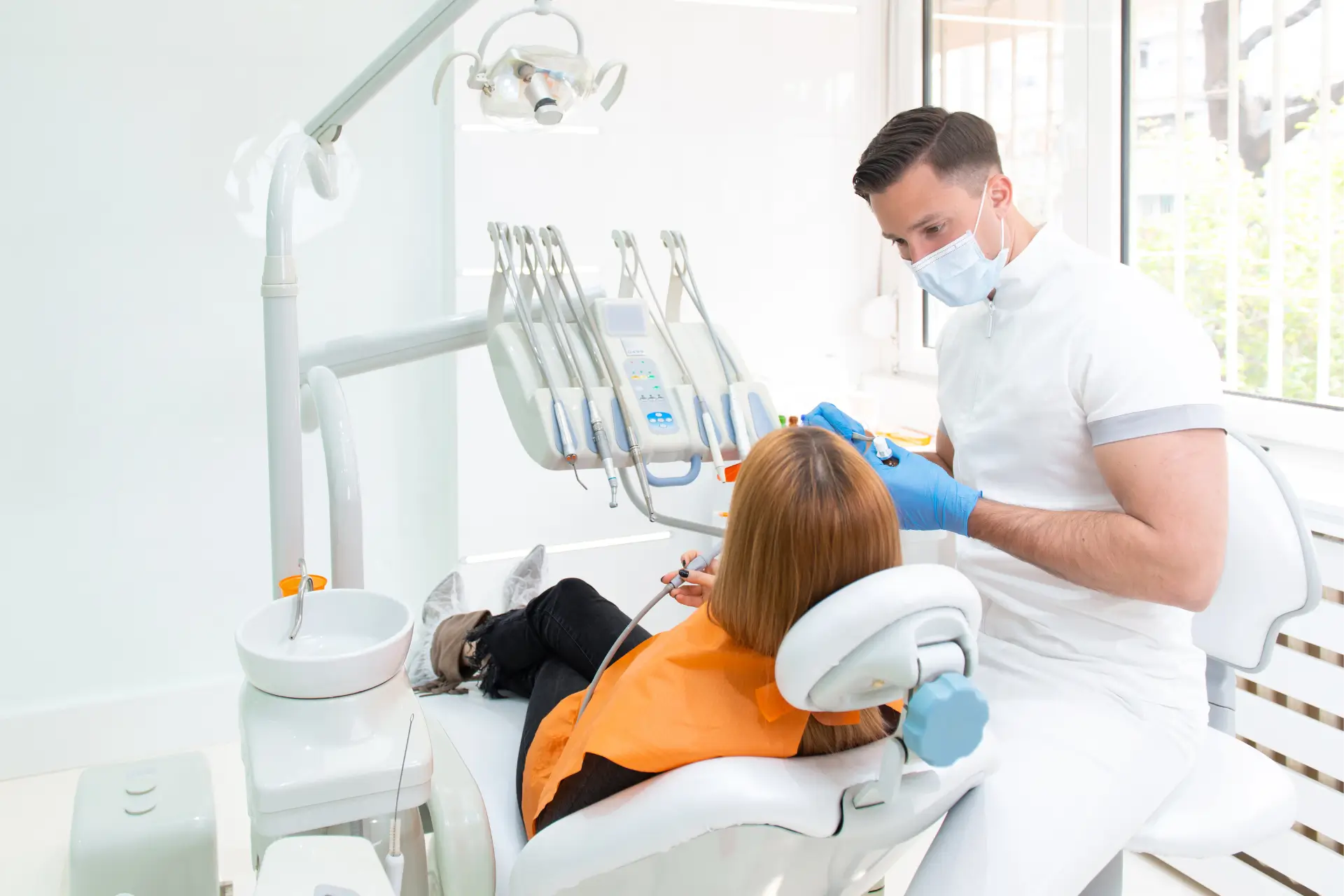
A dental emergency has a way of testing people’s judgment. At first, the problem can seem small enough to postpone. A chipped tooth does not always hurt right away. A swollen gum might settle down by morning. A lost filling can feel inconvenient more than urgent. Yet in practice, the cases that turn serious often start with exactly that kind of hesitation.
Teeth and the tissues around them do not heal like a scraped knee. Once a tooth is cracked, infected, or dislodged, the body has limited ways to repair the damage on its own. Pain may come and go, but the underlying problem usually keeps moving in one direction, toward deeper infection, structural loss, or both. Waiting does not pause the process. It gives it time.
That is the central risk of ignoring a Dental Emergency. What feels manageable at home can become more expensive, more painful, and harder to treat within days, sometimes within hours. In some situations, delay can even become dangerous beyond the mouth.
Why people put it off
Most adults do not ignore dental pain because they are careless. They put it off for familiar reasons. Work is busy. Childcare is complicated. Insurance is confusing. Some people have had difficult dental experiences before and dread hearing bad news. Others take a pain reliever, notice the edge has come off the discomfort, and assume the problem is settling down.
That assumption causes trouble. Dental pain is not always proportional to severity. A draining abscess can hurt less after pressure releases, even while infection continues to spread. A cracked tooth may ache only when biting in a certain way, then become exquisitely painful once the crack deepens. Numbness, oddly enough, can signal a dead nerve rather than recovery.
There is also a common misunderstanding that a problem has to involve dramatic trauma to count as an emergency. In reality, many true dental emergencies start quietly. A toothache that wakes you at night, swelling in the gum or cheek, bleeding that does not stop, a knocked-out tooth, a broken crown exposing sensitive tooth structure, or signs of infection after a procedure all deserve timely evaluation.
What counts as a dental emergency
A Dental Emergency is any oral condition where delay raises the risk of permanent damage, uncontrolled pain, worsening infection, or loss of function. That includes obvious trauma, but it also includes less dramatic situations that are clinically urgent.
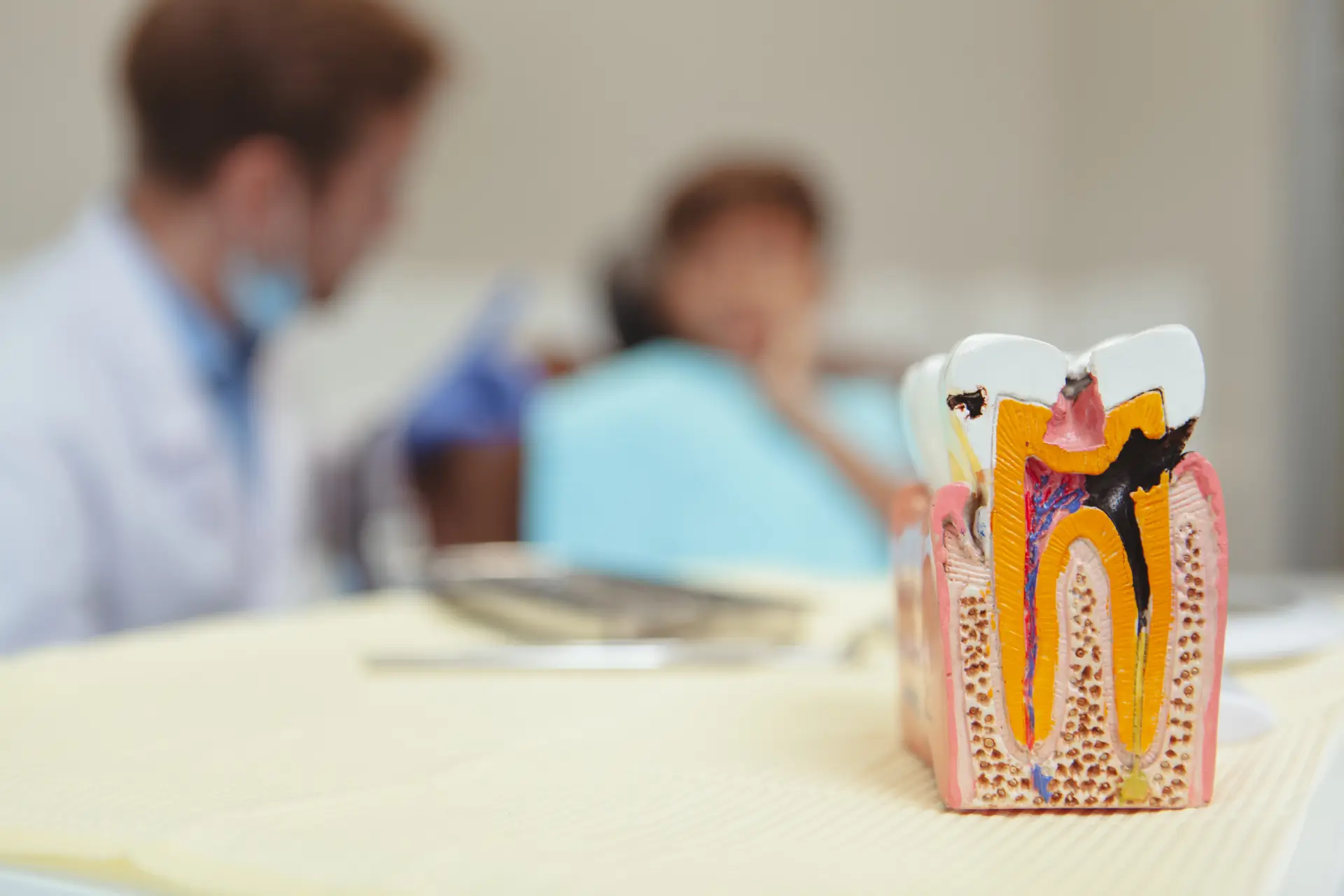
A front tooth broken in a fall is easy to recognize as urgent. So is a tooth knocked out during sports. Less obvious, but just as important, is the molar with escalating pain on chewing and sensitivity to heat, especially if the discomfort lingers. That pattern often suggests inflammation or infection in the pulp, the living center of the tooth. Left untreated, the infection can move through the root into the surrounding bone.
Swelling matters even more than pain. In practice, facial swelling is one of the signs dentists take very seriously because it can mean infection is escaping the tooth and entering soft tissues. If that swelling spreads under the jaw, toward the eye, or interferes with swallowing or breathing, the situation shifts from dental urgent to medically urgent.
The first thing that changes is the treatment plan
One of the least appreciated consequences of delay is how it narrows your options. Early treatment tends to be simpler and more conservative. Late treatment is often more invasive.
Take a small cavity that causes occasional cold sensitivity. If caught early, it may need only a filling. Dental Emergency Ignore it long enough and decay can reach the pulp, turning a routine restoration into a root canal and crown. Delay further, and the tooth may fracture below the gumline or develop a severe abscess, leaving extraction as the only practical choice.
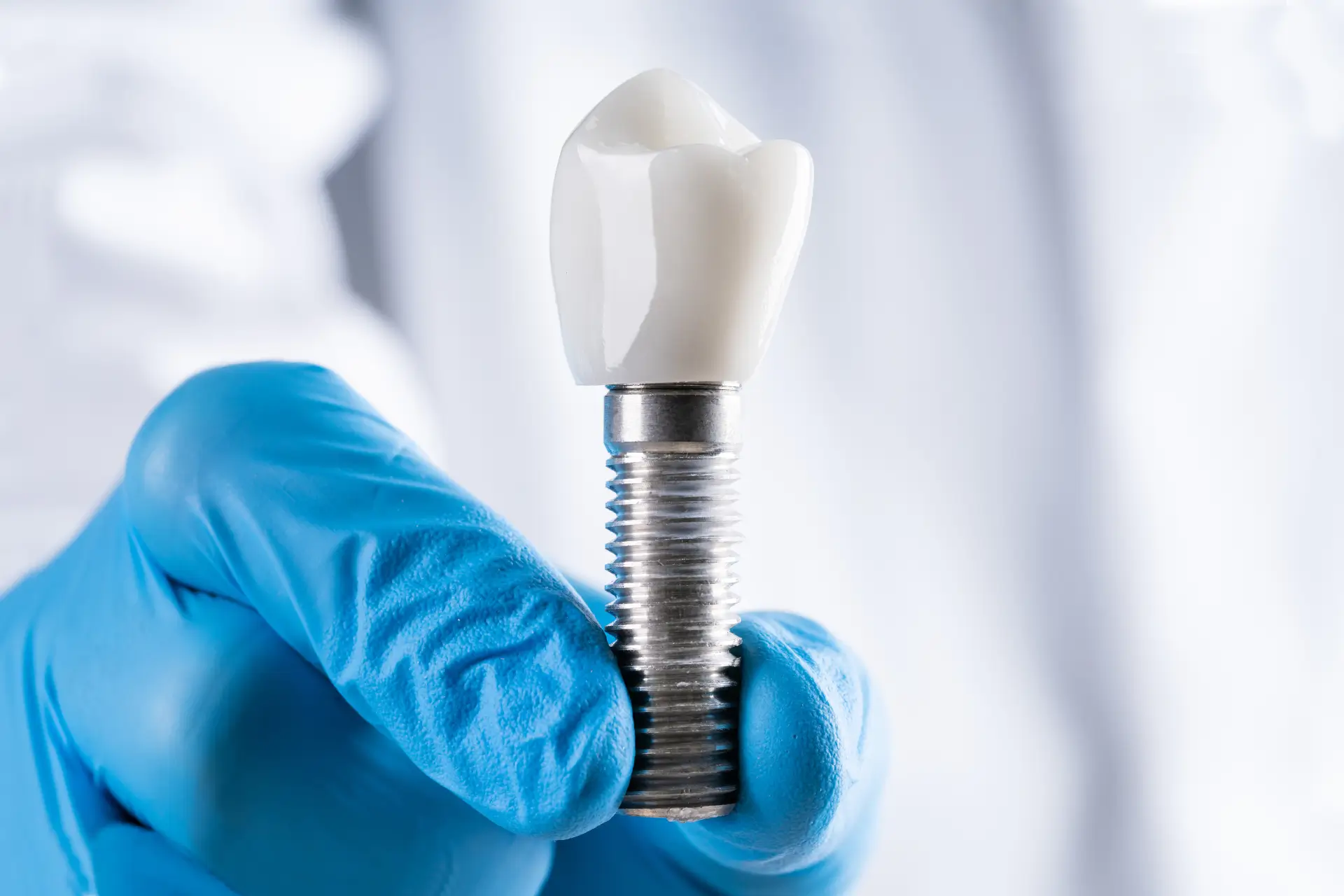
The same progression shows up with trauma. A chipped tooth limited to enamel can often be smoothed or bonded. If the fracture extends into dentin or exposes the pulp, the repair becomes more complex and the long-term survival of the tooth less certain. With a knocked-out tooth, time is everything. Reimplantation has the best chance when the tooth is placed back promptly or preserved correctly and seen immediately. A delay can mean the difference between saving the natural tooth and planning for an implant later.
This is why dentists often say patients do not save money by waiting. They usually spend more for more treatment, after enduring more discomfort, for a result that may be less ideal than what was possible at the start.
Pain rarely stays predictable
People often gauge urgency by asking a simple question: can I still function? If the answer is yes, they keep going. The problem is that dental pain is notorious for changing character.
Early on, pain may appear only when drinking something cold. Then it becomes a sharp zing during meals. Later, it can shift into a deep throbbing that radiates toward the ear, temple, or jaw. Some patients describe feeling fine all day, then pacing the floor after midnight. That pattern is not random. Inflammation in and around a tooth responds to pressure, temperature, posture, and circulation. Lying down often worsens it, which is why nighttime toothache feels especially relentless.
Once severe pain sets in, sleep suffers, concentration drops, and even routine tasks become harder. People eat on one side, avoid brushing the area, clench from discomfort, and unintentionally create more irritation. What began as a localized problem starts affecting nutrition, mood, and work. Seen often enough, the pattern is clear: untreated dental emergencies do not stay neatly confined to the mouth.
Infection is the complication that matters most
Not every dental emergency is infectious, but infection is the consequence clinicians worry about most. The mouth contains abundant bacteria. When decay, a crack, deep gum disease, or trauma gives those bacteria access to deeper tissues, they can establish infection in the tooth, bone, or surrounding spaces.
A dental abscess is more than a bad toothache. It is a pocket of infection, and it tends not to resolve simply because the pain dips for a while. Sometimes the abscess drains through the gum, relieving pressure and misleading patients into thinking the crisis has passed. It has not. The source remains.
What happens next depends on the person, the location, and the bacteria involved. Sometimes the infection stays localized. Sometimes it spreads into the cheek, jaw, floor of the mouth, or sinus. In people with diabetes, immune suppression, or significant medical conditions, things can deteriorate faster. Even healthy adults can develop severe swelling and systemic symptoms.
These signs deserve immediate attention:
- Facial swelling that is increasing or spreading
- Fever, chills, or feeling generally unwell along with tooth or gum pain
- Trouble swallowing, opening the mouth, or breathing comfortably
- A bad-tasting discharge in the mouth with significant pain or swelling
- A knocked-out permanent tooth or uncontrolled oral bleeding after trauma
When breathing, swallowing, or rapidly spreading swelling enters the picture, the correct destination may be an emergency department rather than waiting for a routine dental slot.
A broken tooth can become a lost tooth
Fractures are often underestimated because people imagine that if a piece breaks off and the tooth still looks mostly intact, the damage is only cosmetic. In reality, the visible chip may be the smallest part of the problem.
Teeth can crack in ways that are difficult to see without examination. A crack may extend below the gumline or split through the cusp of a molar. Biting on a hard seed, ice, or crust can deepen it. So can grinding at night. Once bacteria enter the crack, the pulp can become inflamed or infected. At that point, even saving the tooth may require a root canal and full coverage crown. If the crack extends too far down the root, extraction is often unavoidable.
Molars are especially vulnerable because they absorb heavy chewing forces. Front teeth, on the other hand, carry emotional weight because damage is visible. A person may tolerate a broken molar for months, but a fractured front tooth often drives quicker action for obvious social reasons. Ironically, the back tooth may be more likely to turn into a complex emergency if neglected.
Lost fillings, crowns, and bridges are not trivial
A lost restoration does not always feel dramatic, which is why people postpone it. If the exposed area is not very painful, they assume it can wait until the next cleaning. That is a gamble.
A filling or crown is not just a cap or patch. It protects weakened tooth structure from pressure, temperature changes, and bacterial invasion. Once it comes off, the remaining tooth may be thin and fragile. It can crack while chewing something soft, or the exposed dentin can become intensely sensitive. Food packing around the area also accelerates decay and gum irritation.
Bridges and partial dentures introduce another problem: function shifts. When a restoration is missing or unstable, patients alter the way they bite. Over a few days that may only feel awkward. Over weeks, it can strain the jaw joints, overload neighboring teeth, and create new sore spots.
Gum swelling and bleeding can hide urgent problems
Not every dental emergency begins in the tooth itself. Some begin in the gums and supporting bone. A tender swelling near the gumline might be a periodontal abscess, especially in someone with gum disease or food impaction around a deep pocket. These can become painful quickly and compromise the support around a tooth.
Bleeding also deserves context. Mild bleeding after flossing too aggressively is one thing. Persistent bleeding after an extraction, injury, or oral surgery is something else. People on blood thinners may have a harder time controlling it, but even those not taking anticoagulants can run into trouble if a clot fails to form or is disturbed.
There is another practical issue with delayed care in gum-related emergencies. By the time the person seeks help, the tooth may no longer be threatened by pain alone but by loss of attachment and bone support. That changes the long-term outlook.
Children and older adults are easy to misread
Dental emergencies look different at the extremes of age. Children may not describe symptoms clearly. They may stop eating on one side, wake at night, or become irritable without pointing to the exact source. Swelling around a child’s tooth should never be dismissed as ordinary teething or a passing irritation without evaluation. Primary teeth matter more than many parents realize because infection can affect the developing permanent teeth beneath them.
Older adults present another challenge. Some have reduced pain sensitivity, dry mouth from medications, extensive dental work, or root exposure from gum recession. A fractured root, failing crown margin, or denture sore spot can escalate without dramatic early symptoms. For patients in assisted living or with mobility issues, access delays are common, which makes small problems more likely to become true emergencies.
What delay does to cost
Dentistry is one of the clearest areas in healthcare where delay often raises the bill. The economics are straightforward. Small defects are cheaper to restore than large ones. Saving a tooth is usually less expensive than losing it and replacing it properly, especially once grafting, implants, or prosthetics enter the picture.
Consider a rough progression. A simple filling is one level of cost and chair time. Add pulpal involvement, and now there may be diagnostic imaging, endodontic treatment, a buildup, and a crown. Lose the tooth, and replacement may involve extraction, bone grafting, healing time, implant placement, and the final restoration. Even when precise fees vary widely by region, the pattern is consistent: the later the intervention, the more resources it takes.
There are indirect costs too. Missed work, poor sleep, urgent care visits that offer temporary medication but not definitive dental treatment, special diets, transportation on short notice, and the emotional cost of dealing with a problem after it has grown larger than it needed to be.
The whole body can feel a dental problem
The mouth is not separate from the rest of the body. That sounds obvious, but people do not always act as if it is true. Severe dental pain can trigger headaches, jaw muscle tension, and neck discomfort. Infection can cause fever, fatigue, and swollen lymph nodes. Eating becomes limited, especially if chewing causes sharp pain. Some people shift toward soft, sugary foods because they are easier to tolerate, which can worsen decay elsewhere.
There are also medical intersections. People with heart valve disease, prosthetic joints, poorly controlled diabetes, cancer treatment, or immunosuppressive medication need careful management because oral infections can become more complicated. Pregnancy adds another layer because untreated infection and poor nutrition are not benign. The right answer is not to panic, but to take the problem seriously and be evaluated promptly.
What to do while you are getting help
Home care has a role, but only as a bridge to professional treatment, not a substitute for it. The goal is to limit damage and control symptoms safely until you can be seen.
If you are dealing with a Dental Emergency, these short-term steps are usually sensible:
- Rinse gently with warm salt water to clear debris and soothe irritated tissues
- Use a cold compress on the outside of the face for swelling, about 15 to 20 minutes at a time
- Take over-the-counter pain relief as directed on the label, unless your clinician has told you to avoid it
- If a permanent tooth is knocked out, handle it by the crown, not the root, and keep it moist in milk or saliva while seeking immediate care
- Avoid chewing on the affected side and skip very hot, very cold, hard, or sticky foods
There are also a few common mistakes worth avoiding. Do not place aspirin directly on the gum, because it can burn the tissue. Do not ignore swelling just because pain medication helps. Do not wait several days with a knocked-out permanent tooth. And do not assume antibiotics alone will solve a tooth infection. If the source is inside the tooth or around the root, definitive dental treatment is usually still necessary.
Sometimes the pain disappears, and that is not good news
One of the more deceptive moments in dentistry is when a severe toothache suddenly stops. Many patients interpret that as healing. Sometimes it means the nerve inside the tooth has died. The pressure and inflammation may have changed, but the infection can remain or continue spreading beyond the tooth.
Clinically, this is a familiar story. A patient has a few miserable nights, then wakes up relieved and cancels the appointment. A week or two later they return with swelling, tenderness to biting, or a draining bump on the gum. The body did not fix the tooth. The disease changed stages.
That is why dentists pay close attention to the timeline of symptoms, not just what hurts in the moment.
A short delay is not always catastrophic, but judgment matters
It is worth being precise here. Not every chipped edge at 9 p.m. Needs Dental Emergency an emergency visit that night. Not every sore gum means imminent danger. Dentistry involves triage. The issue is not that every problem is instantly catastrophic, but that people are poor at predicting which ones will deteriorate quickly.
A tiny enamel chip with no pain can often wait briefly for regular dental care. A mild sensitivity after biting into something hard may or may not be urgent. But add spontaneous pain, visible swelling, a loose tooth after trauma, fever, or difficulty eating normally, and the balance changes. The safest approach is to call a dental office, describe the symptoms clearly, and let a clinician help judge the timing.
Experience matters here. The same symptom can carry different significance depending on age, medical history, whether the tooth has had prior root canal treatment, whether there is facial asymmetry, and how fast things are changing. Good triage is not guesswork. It is pattern recognition.
Why prompt care protects more than teeth
Treating a dental emergency quickly is not just about ending pain. It is about preserving options, limiting infection, protecting appearance and function, and preventing a local problem from becoming a broader health issue.
A mouth that hurts changes the way a person eats, sleeps, works, and interacts. A visible broken tooth alters confidence. A hidden infection can drain energy long before it causes a dramatic crisis. Prompt care interrupts that cascade early, when repair is more straightforward and the outcome more predictable.
The practical message is simple. If something in your mouth feels acutely wrong, especially pain that is escalating, swelling that is visible, trauma that moved or broke a tooth, or bleeding that does not settle, treat it like an actual emergency. Call a dentist. Ask for guidance the same day. If breathing or swallowing is affected, seek medical emergency care immediately.
Ignoring a dental emergency rarely makes it smaller. More often, it gives a manageable problem time to become a serious one.
Vitality Dental
Address: 1220 Coit Rd #106, Plano, TX 75075
Phone number: +19726454100
FAQ About Dental Emergency
What can the ER do for a tooth?
An emergency room (ER) can manage pain and treat severe infections with medication, but it cannot fix or pull a tooth.
What is considered a dental emergency?
A dental emergency is any oral health problem that involves severe pain, uncontrollable bleeding, or an infection that threatens your health or requires immediate care to save a tooth.
Is there a 24-hour dental service in Plano, TX?
There is no physical dental clinic in Plano, Texas, that stays open with walk-in staff 24 hours a day, but several offices offer 24/7 phone support, late-night hours, or same-day emergency care.